


From determining the profitability of specific services to assessing the feasibility of expansion initiatives, accurate financial records guide strategic planning. Contact PCI Health Training Center for more information on how to become a medical office assistant and start a rewarding career today. Our detailed brochure provides insights into how Remote Books Online can help you maintain accurate bookkeeping, stay tax-ready, and make informed financial decisions.
Utility Billing Specialist II
Before posting entries to the ledgers, transactions are first recorded in journals, such as the retained earnings sales journal, cash receipts journal, and purchases journal. Organized records reduce the time required to respond to insurer reviews, government audits, or tax inquiries. Invoices, receipts, payroll logs, and vendor contracts must be archived in searchable formats with secure access controls. Medical offices depend on disciplined receivables tracking to avoid reimbursement delays and missed filing deadlines. Financial reports assist in setting appropriate pricing for services and procedures by factoring in costs, profitability, and market demand. Operating margin measures the profitability of core business operations, excluding taxes and interest.

The ABCs of Medical Practice Accounting: Accounting, Bookkeeping and Controllership
Tax compliance and payroll management are also made easier with QuickBooks. It is a flexible option for doctors and other medical professionals due to its ability to interact with other healthcare applications. Maintaining compliance with healthcare regulations is a vital part of medical practice bookkeeping. Adhere strictly to insurance billing and reimbursement protocols to https://saloncasablanca.ro/2021/07/05/what-is-business-accounting-for-small-businesses/ maximize revenue and avoid penalties.
Commingling business and personal expenses

Automated billing systems can send out invoices and patient statements without manual input, streamlining the collection process. Accepting payments via credit card or online services also facilitates quicker access to funds and reduces the burden of manual handling. Setting up automatic payment reminders helps minimize the incidence of late payments. Selecting the right bookkeeping software can make a major difference in the efficiency and accuracy of a medical practice’s financial operations.
Bookkeeping Best Practices for Medical Practices

These documents are essential for analyzing the medical practice’s economic health, operational success, and profitability. Maintaining diligent bookkeeping is indispensable for a medical practice’s smooth and efficient financial management. Bookkeeping is carefully recording and managing all financial transactions in a business, including a medical practice. It involves noting every sale, tracking all expenses, managing payroll, and ensuring bills are paid on time. Effective bookkeeping offers a real-time snapshot of a medical practice’s financial condition and profitability. Bookkeeping refers to the systematic recording of all financial transactions that occur within a business.
How Can I Reduce My Patient Payment Timeline?
The meticulous recording and organization of financial transactions offer benefits that extend beyond compliance, impacting decision-making, cost control, and overall business success. By understanding the distinction between bookkeeping and accounting duties, healthcare businesses can build a solid financial foundation to thrive in the ever-evolving healthcare landscape. To avoid poor payroll processing, medical practices can invest in a software system to better manage their office payroll. This type of software not only allows operators to accurately record and track daily hours, paid time off, holiday pay, and overtime hours, it also easily prepares and dispenses staff payments. A skilled bookkeeper can help you set up your payroll management system and process changes such as salaries or deductions so that you can spend more time focused on patient care.

Create subcategories within each main category to further categorize expenses. For instance, under “Supplies,” you might have subcategories like medical equipment, office supplies, and pharmaceuticals. A financial forecast tries to predict what your business will look like (financially) in the future—which is key for uncertain, economic times. While this might seem like a mundane administrative task, it’s crucial for preventing and detecting fraud and errors. Get free guides, articles, tools and calculators to help you navigate the financial side of your business with ease.
Bookkeeping for Medical Practices: 5 Tips for Success
Healthcare businesses can depreciate the cost of capital assets over time, providing deductions that reflect the wear and tear of equipment and property. Monitoring the status of submitted claims and following up on denials or delays is crucial for maximizing revenue. Revenue can also come from private payers, including patients who pay out-of-pocket for services not covered by insurance. In essence, bookkeeping is the foundational step that provides the raw data, while accounting involves the interpretation and analysis of that data to derive meaningful insights. Paisley Solutions has been providing bookkeeping and payroll services for businesses in the Kennett Square, West Chester, Chadds Ford, Lancaster and Wilmington regions since 1996. CPA’s refer Paisley Solutions to non-profits and businesses in Chester County, Lancaster County and New Castle County.
- Whether you’re managing the books yourself or partnering with an expert, the key is consistency, accuracy, and using tools designed for the unique demands of healthcare.
- Managers with experience understand that clean workflows and user-friendly interfaces keep the office running smoothly and morale high.
- These include the general ledger, which captures all financial transactions, and specific accounts receivable and payable ledgers.
- Bookkeeping may not seem like a source of burnout—but inefficient systems create confusion, delay payroll, or force staff to chase down missing data.
- Generating accurate financial statements requires meticulous record-keeping, proper categorization of transactions, and adherence to accounting principles and standards.
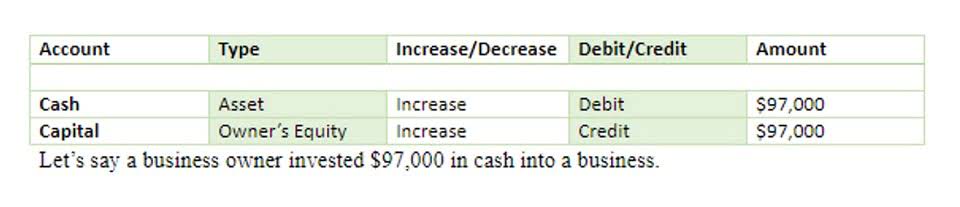
With diligent bookkeeping and financial mastery, your medical business will have the foundation needed to flourish. Bookkeeping relies on the double-entry accounting method, which requires recording every transaction in at least two accounts. For instance, recording a bill payment would require debiting the expense account and crediting the cash account. Opening a second location or upgrading diagnostic systems, practices need to show lenders proof of financial stability. Reports must match bank activity, show consistent net income, when performing bookkeeping procedures for a medical office, it is important to and reflect realistic projections. Bookkeeping systems allow managers to correlate staffing ratios with claim volume, or equipment costs with reimbursement by procedure type.